eCoCFebruary 10, 2024
What Is Electronic COC?
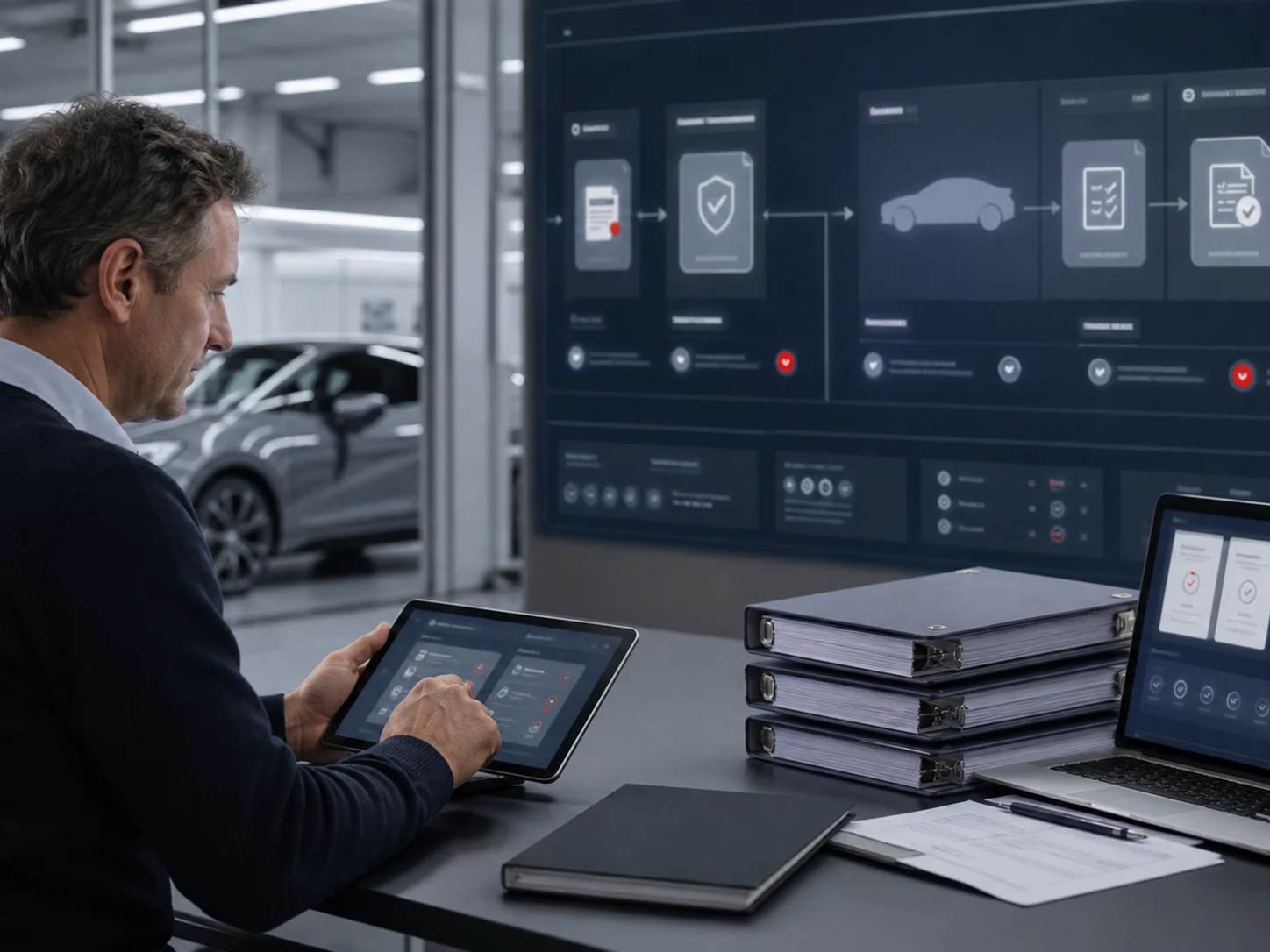
A clear explanation of Electronic COC and how it helps manufacturers control eCoC readiness, IVI XML, signing and certificate delivery.
Read time: 5 minRead more
Moving from Paper CoC to Electronic COC
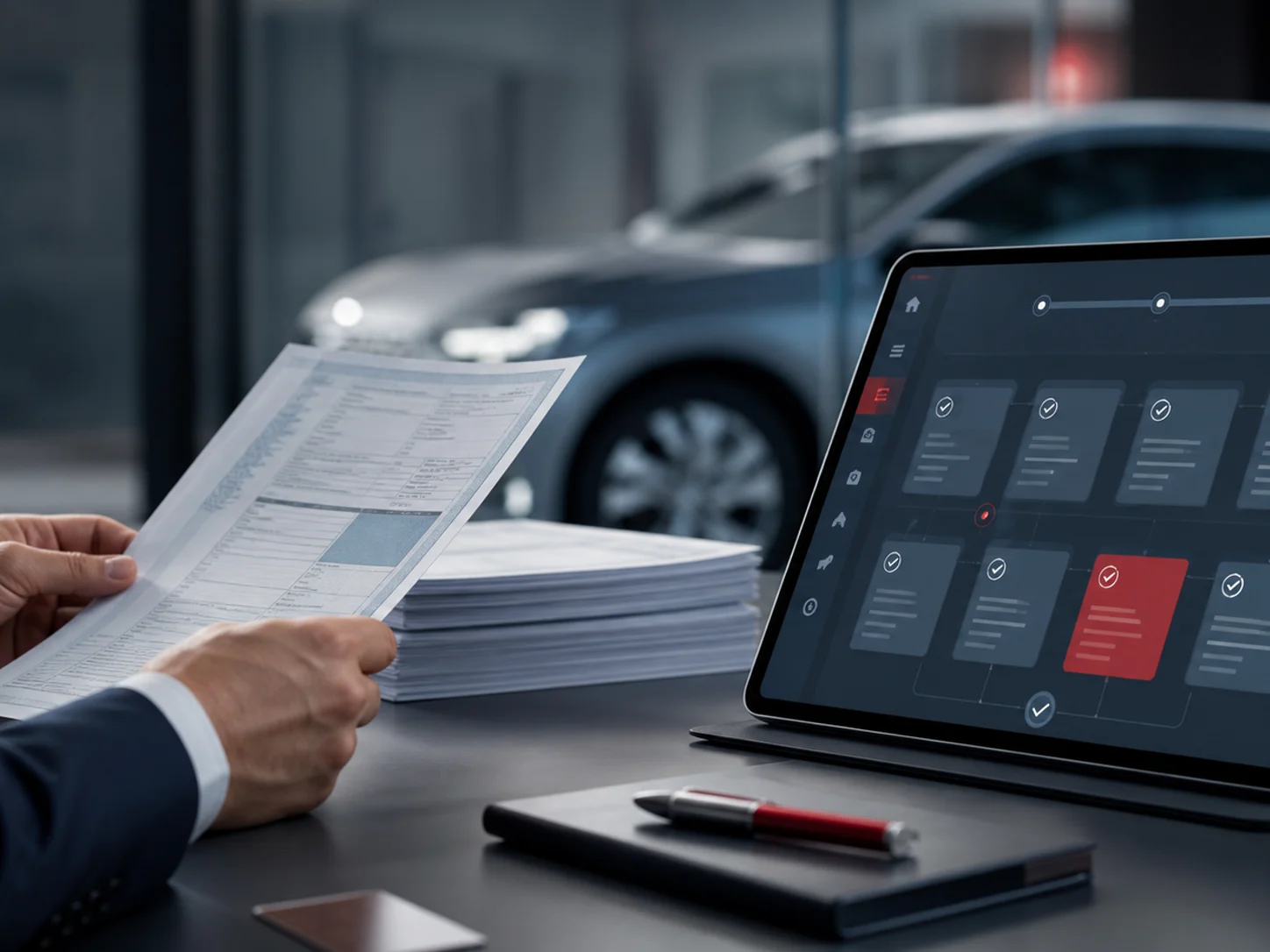
Moving from paper to digital work is not only about replacing the document format. It is about making the preparation, review, signing and delivery process easier to follow.
Most teams already know where delays happen: missing data, unclear ownership, repeated checks, old file versions or late questions before release. Electronic COC helps bring those pressure points into one workflow.
A good first rollout does not need to cover every vehicle category and every integration. Start with a small manufacturer scope or one vehicle group, then expand after the team understands the workflow.
The goal is simple: users should know which records are ready, which records are blocked and what should happen next. If readiness, ownership and delivery status become easier to see, the digital rollout is working.
Electronic COC guides are written for teams that need clear certificate processes without unnecessary technical language. This article focuses on the daily work: preparing information, avoiding repeated manual steps and keeping certificate status visible.
This guide explains paper coc to electronic coc in plain language, with the focus on what a manufacturer or compliance team needs to know before moving certificate work into one shared platform.
Most delays come from scattered files, unclear ownership, repeated checks and limited visibility into certificate progress. A clear workflow helps the team see what is ready, what is missing and what needs review.
Electronic COC gives teams a single place to prepare, follow and manage Electronic Certificate of Conformity work. The platform keeps the process easier to understand while preserving the important compliance details behind the scenes.
Start by listing the certificates you issue, the people who prepare them and the checks that happen before release. That simple map makes it easier to decide which work should move into Electronic COC first.
Continue with practical articles that explain the platform, the move away from paper work and the first steps for manufacturers.
Additional answers connecting this article to Electronic COC, certificate tracking and manufacturer rollout decisions.
It is for manufacturers, approval teams and operational users who want a clearer way to prepare and follow Electronic Certificate of Conformity work.
No. Electronic COC supports the workflow and tracking. The manufacturer still controls the source information, approval decisions and final responsibility.
Yes. Most teams should start with one certificate flow, learn where manual work happens, and then expand once the process is clear.
Continue with Electronic COC articles that connect eCoC readiness, manufacturer rollout and certificate release control.
A clear explanation of Electronic COC and how it helps manufacturers control eCoC readiness, IVI XML, signing and certificate delivery.

How an Electronic Certificate of Conformity platform supports manufacturer teams with readiness visibility, ownership and release control.
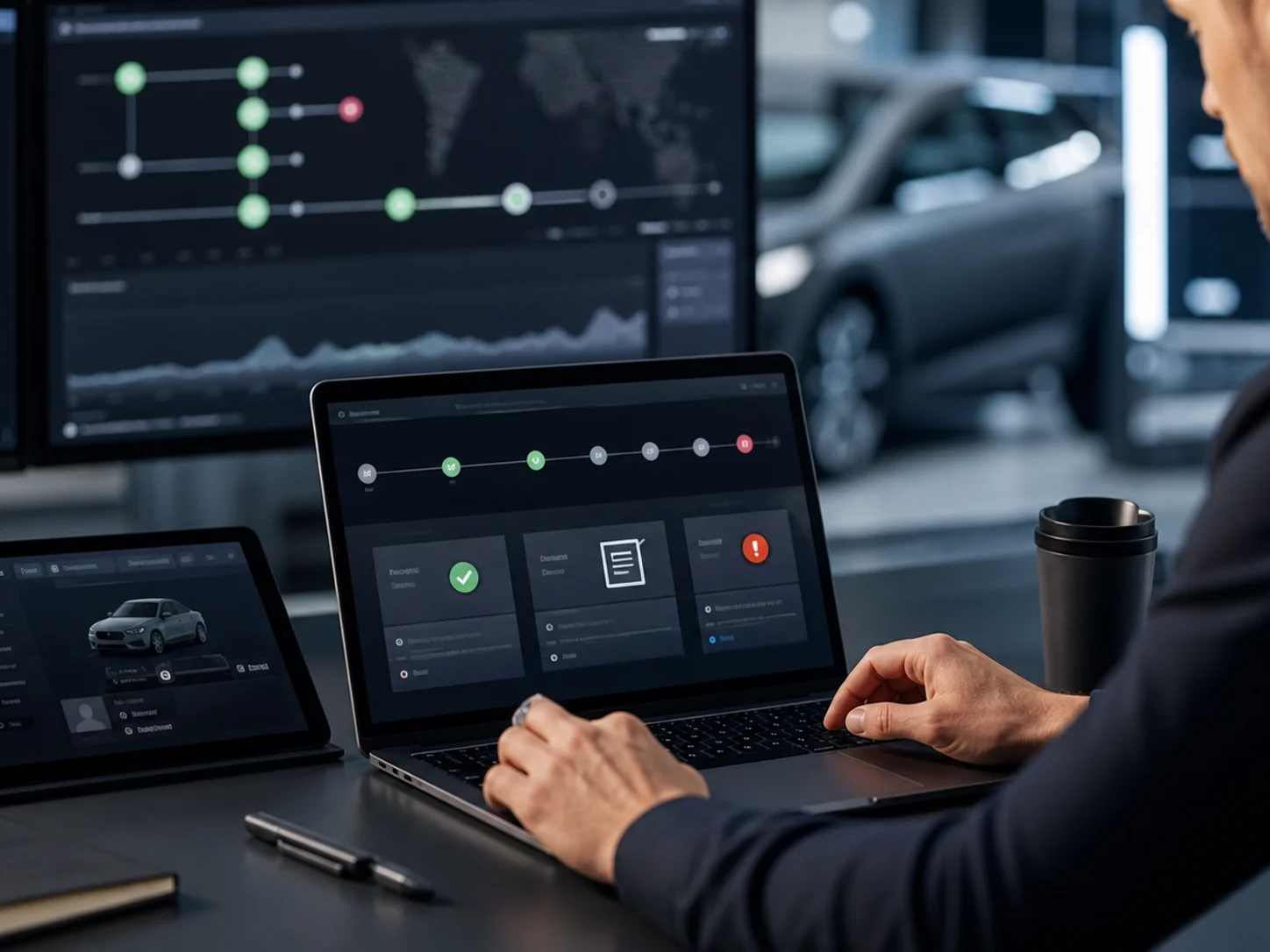
How Electronic COC keeps certificate status, ownership, signing context and delivery history easier to follow.
Talk to the Electronic COC team about your current certificate workflow, the roles involved and the first process that should move into a cleaner platform.
Contact Electronic COCRead the start guide