eCoCFebruary 10, 2024
What Is Electronic COC?
A clear explanation of Electronic COC and how it helps manufacturers control eCoC readiness, IVI XML, signing and certificate delivery.
Read time: 5 minRead more
How to Prepare for an eCoC Rollout

How to Prepare for an eCoC Rollout is a practical guide for manufacturer teams that need to move Electronic Certificate of Conformity, Vehicle COC and eCoC work into a clearer operating model. The goal is not to create more documentation. The goal is to make daily certificate work easier to prepare, review, sign, deliver and explain.
Most compliance team teams already know where the process slows down: missing vehicle data, unclear approval references, repeated checks, old spreadsheet versions or late questions before XML output and signing. Before selecting a platform or planning automation, write down the actual points where people lose time. This makes the first rollout smaller, safer and easier to measure.
For eCoC rollout, the team should identify the source of vehicle data, the approval information that must stay attached to the record and the people who can confirm preparation. IVI, XML, EUCARIS/NAP delivery, digital signing or ERP/API integration can only work reliably when the underlying data is owned and reviewed.
Do not start by moving every vehicle family, user group and exception into the same launch. Choose one team, one certificate flow or one vehicle group. Use real records, not only sample data, so the workflow reflects the pressure of daily work. A focused first scope also makes training easier for non-technical users.
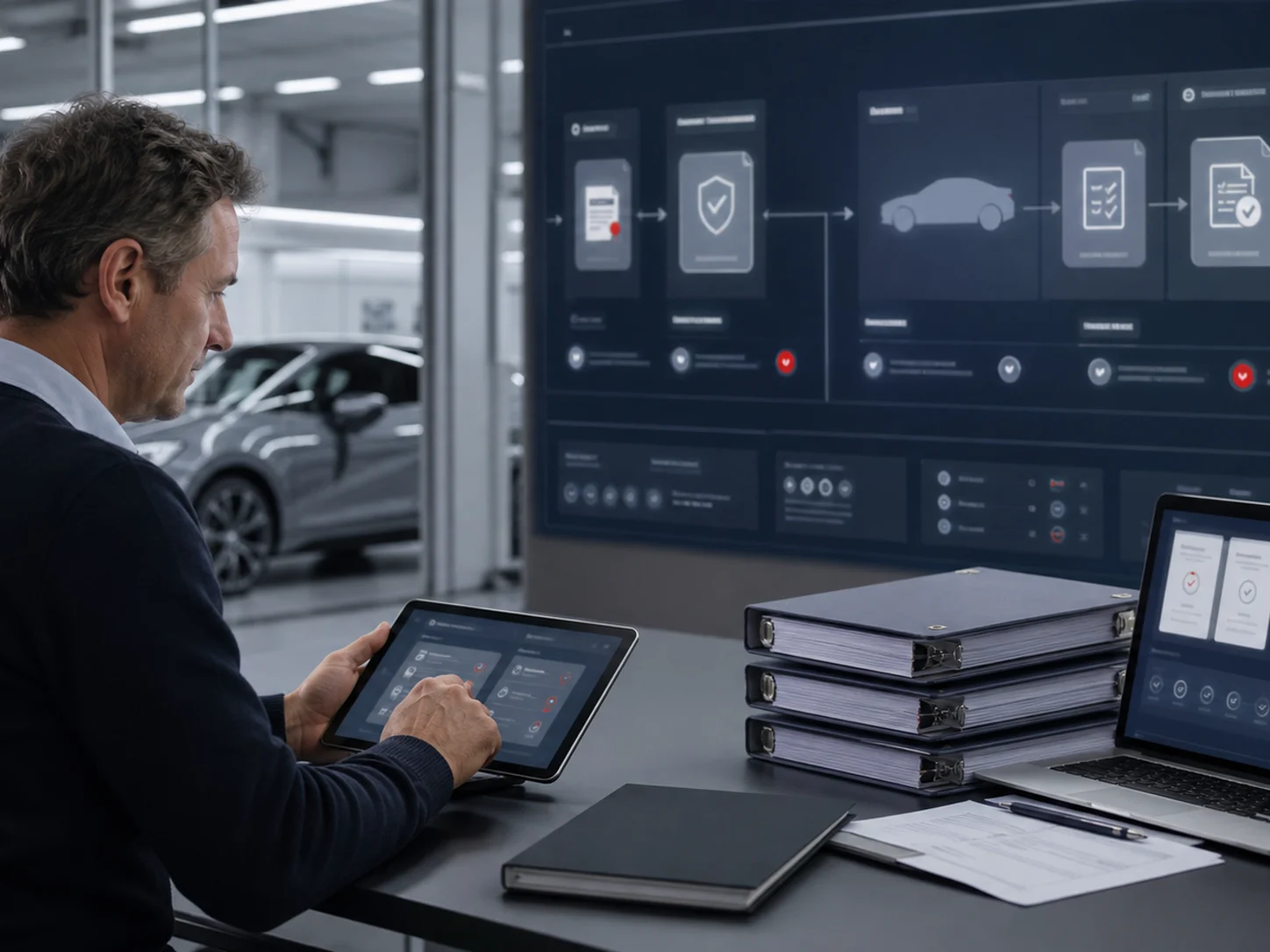
A useful workflow should show what exists, what is missing, who owns the next action and whether the record is ready to move forward. This is where Electronic COC is different from a folder, spreadsheet or isolated output tool. It gives the team a shared operational view before the final certificate stage becomes urgent.
Use the related Electronic COC guide at /ecoc-readiness-checklist/, review the platform at /platform, and request scope-based pricing at /pricing. If your team is already planning a first rollout, contact Electronic COC at /contact with your vehicle group, expected certificate volume, signing path and current bottleneck.
The first mistake is treating eCoC rollout as a final document or file-generation problem only. Most delays happen earlier, when the team cannot see which data is missing, which approval context applies or who should take the next action. The second mistake is trying to automate every exception before the daily workflow is understood. Automation works better after the manufacturer has a reliable record model, clear review responsibility and visible release criteria.
A third mistake is starting with a scope that is too wide. If every vehicle family, every user group and every integration requirement enters the first launch, the team may spend more time managing change than improving certificate work. A narrow but real first rollout gives better evidence for the next step.
For eCoC rollout, Electronic COC should make the operational status clear: which records exist, which records are blocked, which data points need review, who owns the next action and whether the certificate is ready for output preparation. This visibility matters for compliance teams, operations users and management because everyone works from the same certificate status instead of reconstructing it from email threads or spreadsheet versions.
When requesting an Electronic COC scope for eCoC rollout, include the vehicle or product family, expected annual certificate volume, current source systems, approval-data ownership, output expectations, signing path and the main bottleneck your team wants to solve. This information helps turn a general software discussion into a practical implementation path and a cleaner commercial offer.
No. Electronic COC is for manufacturers and authorized teams managing Electronic Certificate of Conformity, Vehicle COC and eCoC workflows.
Not always. Many teams get better results by first making data ownership, review steps and preparation visible, then adding deeper integration when the workflow is stable.
Start with one controlled certificate process, use real records and connect the result to a clear next step in Electronic COC.
Electronic COC guides are written for teams that need clear certificate processes without unnecessary technical language. This article focuses on the daily work: preparing information, avoiding repeated manual steps and keeping certificate status visible.
This guide explains how to prepare for an ecoc rollout in plain language, with the focus on what a manufacturer or compliance team needs to know before moving certificate work into one shared platform.
Most delays come from scattered files, unclear ownership, repeated checks and limited visibility into certificate progress. A clear workflow helps the team see what is ready, what is missing and what needs review.
Electronic COC gives teams a single place to prepare, follow and manage Electronic Certificate of Conformity work. The platform keeps the process easier to understand while preserving the important compliance details behind the scenes.
Start by listing the certificates you issue, the people who prepare them and the checks that happen before release. That simple map makes it easier to decide which work should move into Electronic COC first.
Continue with practical articles that explain the platform, the move away from paper work and the first steps for manufacturers.
Additional answers connecting this article to Electronic COC, certificate tracking and manufacturer rollout decisions.
It is for manufacturers, approval teams and operational users who want a clearer way to prepare and follow Electronic Certificate of Conformity work.
No. Electronic COC supports the workflow and tracking. The manufacturer still controls the source information, approval decisions and final responsibility.
Yes. Most teams should start with one certificate flow, learn where manual work happens, and then expand once the process is clear.
Continue with Electronic COC articles that connect eCoC readiness, manufacturer rollout and certificate release control.
A clear explanation of Electronic COC and how it helps manufacturers control eCoC readiness, IVI XML, signing and certificate delivery.

How an Electronic Certificate of Conformity platform supports manufacturer teams with readiness visibility, ownership and release control.

A practical guide for moving certificate work away from paper, scattered files and unclear eCoC handovers.
Talk to the Electronic COC team about your current certificate workflow, the roles involved and the first process that should move into a cleaner platform.
Contact Electronic COCRead the start guide